What Voids a Furnace Manufacturer's Warranty in California?
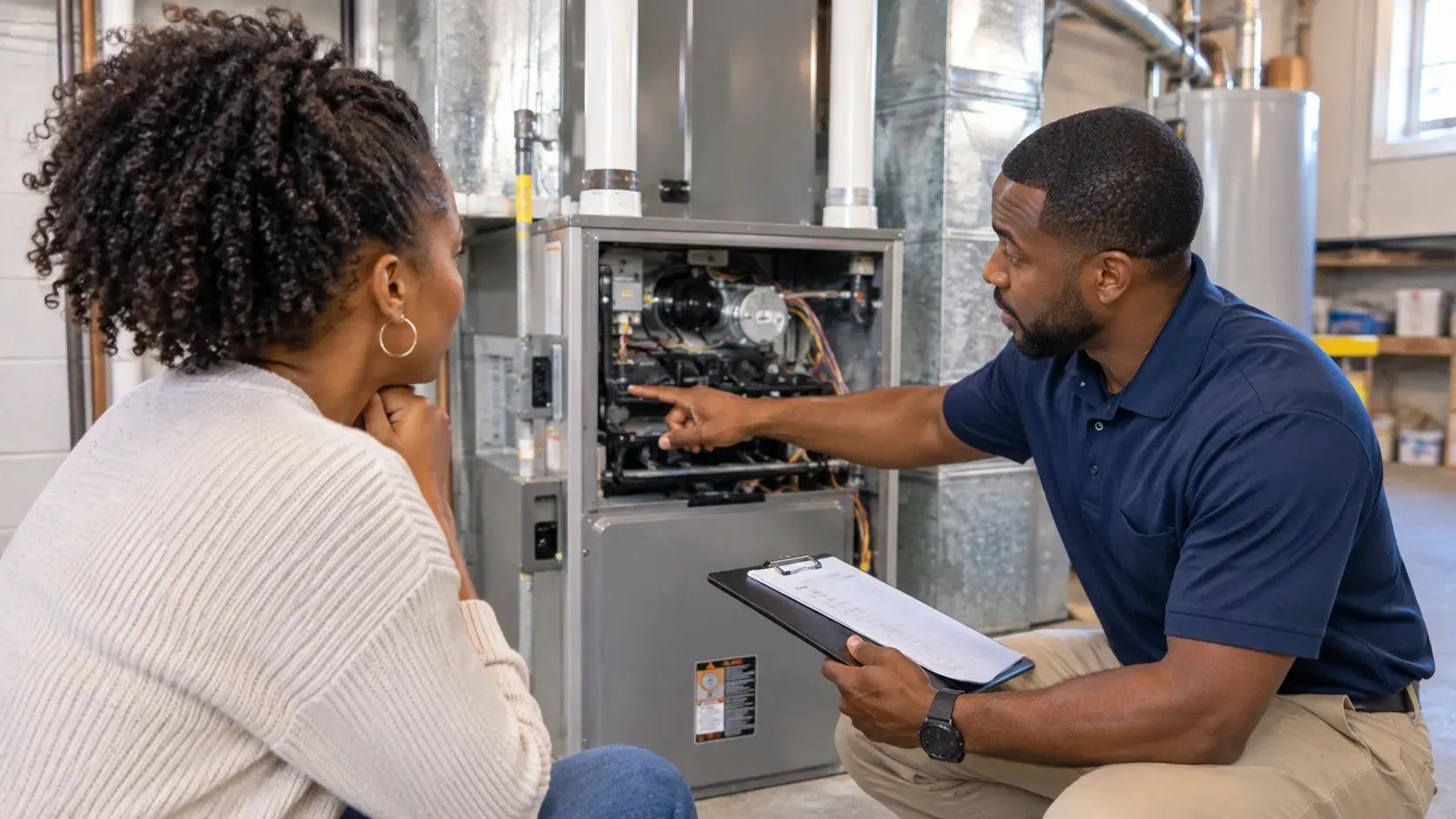
Table of Contents
- Introduction
- Who Actually Issues a Furnace Manufacturer Warranty
- Parts Versus Labor, and Why a Bill Still Arrives
- What Commonly Voids Coverage
- Why Registration Catches So Many People
- The California Piece: Who Is Licensed to Install It
- What to Do Before You Need the Warranty
- Conclusion
- Install It Right and Keep the Coverage Intact
- Frequently Asked Questions
Key Takeaways
- Three different things get called "the warranty" and they have three different issuers.
- A ten-year warranty usually covers parts. Labor is a separate question.
- Registration windows are short, start at installation, and get missed constantly.
- Improper sizing is an installer failure the homeowner never sees.
- Photograph the data plate the day it goes in. It solves most of this.
Introduction
Your furnace manufacturer warranty is governed by one specific document and this article is not it, but the conditions that void coverage cluster reliably around four things: who installed it, whether it got registered in time, whether maintenance was documented, and who has touched it since, which is why these questions come up on nearly every new installation we quote.
Terms differ by brand, by model and by year, so the specifics are always yours to check. The frustrating part is that almost every one of these is avoidable, and nearly all of the avoiding happens in the first week.
Who Actually Issues a Furnace Manufacturer Warranty
Three separate things get called "the warranty" in conversation. They are not the same and they do not come from the same place.
The manufacturer's equipment warranty. Issued by the brand that built the furnace. Covers parts. Follows the equipment rather than you, and comes with conditions the manufacturer sets. This is the one people mean when they say "it's under warranty."
The installing contractor's labor warranty. Issued by whoever put it in. Covers the work and the time to do it. Terms vary enormously between contractors, lengths are usually much shorter than the equipment warranty, and in some cases it does not exist at all because nobody ever wrote one down.
A home warranty or service contract. A separate product you buy, from a third party, covering whatever its own contract says it covers. It has nothing to do with the manufacturer.
Different issuers, different terms, different claim processes. And the one most people assume covers everything is the first one, which in practice covers the least.
Worth asking any contractor, including us, what their labor warranty covers and for how long, and getting the answer in writing before the work starts rather than after something fails.
Parts Versus Labor, and Why a Bill Still Arrives
This is the one that produces the most unpleasant surprises, so it belongs near the front.
A furnace advertised with a ten-year warranty almost always means ten years on parts. If a component fails in year seven, the manufacturer supplies a replacement component. That is the whole of the obligation.
Somebody still has to diagnose the fault, drive to your house, pull the old part out and fit the new one. That labor is yours to pay for unless your installing contractor's own warranty is still running, and contractor labor warranties are typically far shorter than the manufacturer's parts coverage.
So the realistic expectation is this: a manufacturer warranty reduces the bill. It rarely removes it. Knowing that in advance makes the repair-or-replace conversation a lot less unpleasant, and it is also the reason a slightly more expensive installer with a real labor warranty is sometimes the cheaper choice over ten years.
What Commonly Voids Coverage
These are the categories that appear again and again across manufacturers' terms. They are common patterns, not universal rules, and your own document is what binds.
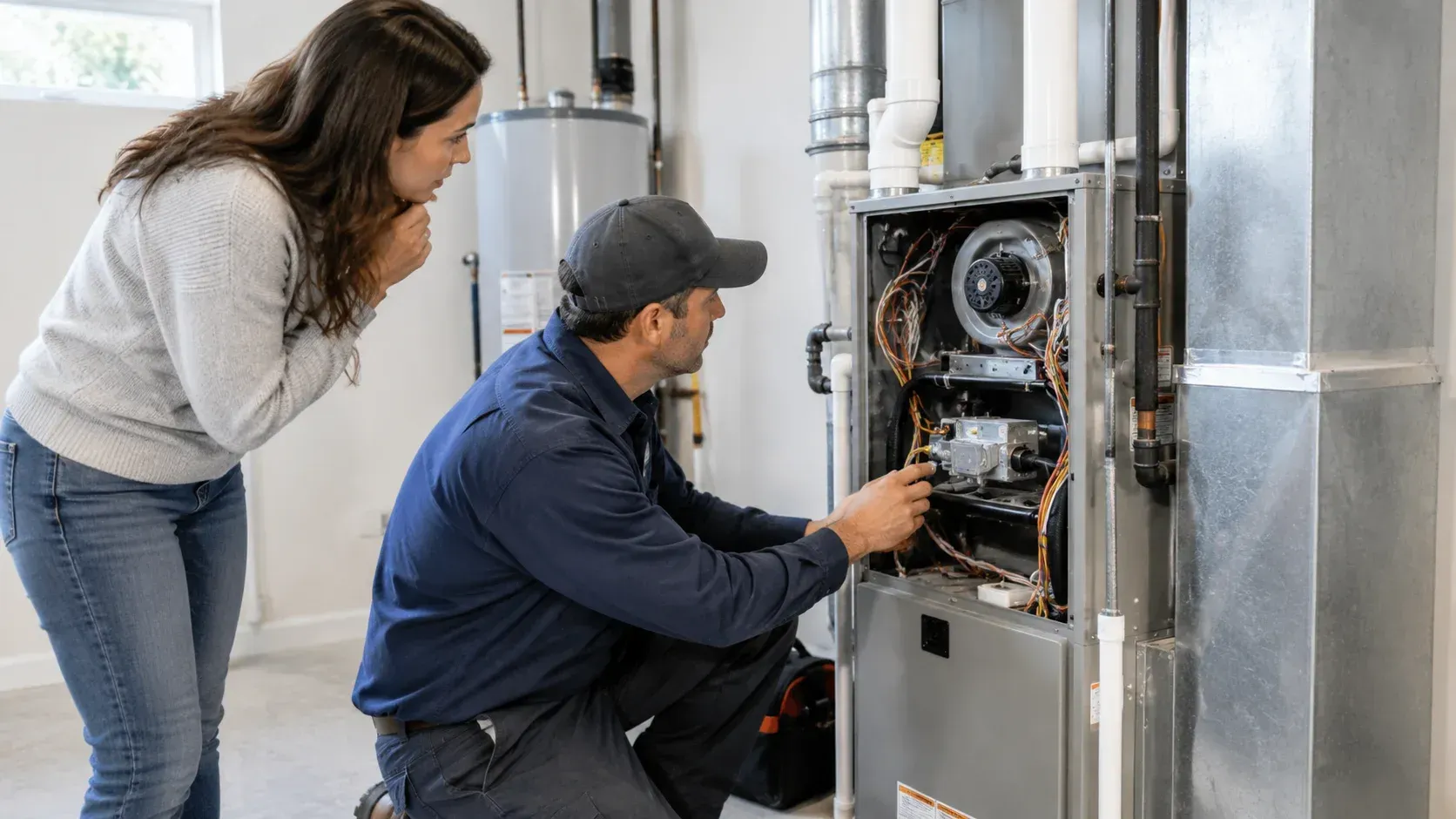
- Self-installation. The most reliable way to void an equipment warranty outright. Most manufacturers require installation by a qualified professional, and a gas appliance you installed yourself generally is not covered.
- An unlicensed installer. The same problem in a work shirt. Cheaper up front, and the saving evaporates the first time you need a part.
- Missed registration. Common enough to deserve its own section below.
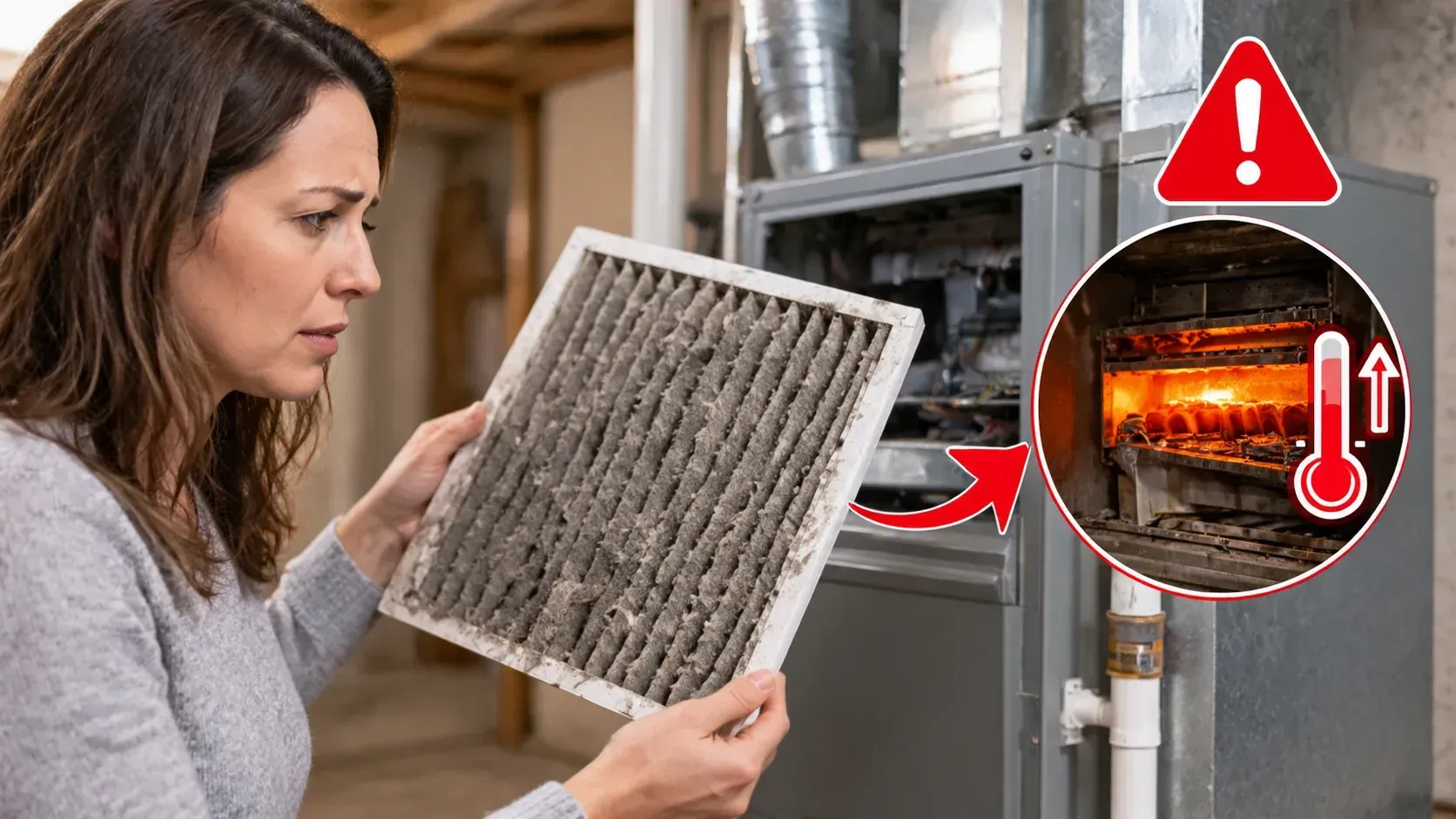
- No documented maintenance. Many warranties require annual professional service and proof that it happened. "I changed the filter regularly" is usually not the kind of proof being asked for.
- Improper sizing or installation outside the manufacturer's written instructions. This includes ductwork that cannot deliver the airflow the unit requires. It is invisible to the homeowner, it is entirely the installer's responsibility, and it can void coverage on equipment that was never given a fair chance.
- Non-approved parts fitted during a later repair.
- Transfer on sale. Coverage is often reduced or voided when a house changes hands unless a transfer is filed inside a set window.
- Running the unit in conditions it was not built for, such as heating a house during construction with no filtration in place, which is a genuine issue on new builds.
Read that list again and notice how many of them are the installer's doing rather than yours. That is the real argument for caring who does the work, and it is the same reasoning behind the installation cost question being about more than the number at the bottom.
Why Registration Catches So Many People
The failure mode is almost always the same, and it is nobody's deliberate fault.
The furnace goes in. The homeowner assumes the contractor registered it. The contractor assumed the homeowner would, or mentioned it once during a long day of other information. Nobody did it. Two years later a part fails and the equipment turns out to be on the base warranty rather than the extended one.
The structure most manufacturers use: a shorter base warranty that applies automatically, and a substantially longer term available if you register the equipment within a window that starts on the installation date. Miss the window and you keep the base term with no way back.
We are not printing a registration deadline here, because it differs by manufacturer and changes, and a wrong number in a blog post is worse than no number. What is safe to say is that the window is short and it starts the day the unit is installed, so the right time to handle it is that same week.
What you need to register:
- The model number and serial number, both on the data plate on the unit
- The installation date
- The installing contractor's details, usually including their license number
- Your own details as the owner
All of that is on the data plate and the invoice. Which brings us to the single most useful free thing in this article: take a photograph of the data plate on the day it is installed. Thirty seconds, and it permanently solves the problem of finding those numbers three years later in a dark crawlspace with a phone torch.
The California Piece: Who Is Licensed to Install It
The state-specific part of this question is mostly about who is allowed to do the work.
California licenses contractors through the Contractors State License Board, and HVAC work falls under its own classification. You can look up any California contractor's license status, classification and standing directly with the CSLB, and it takes about a minute. Ask for the number, then check it rather than taking it on trust.
Why this connects to the warranty: manufacturers generally require professional installation, and in practice "professional" means properly licensed. An unlicensed install can cost you the equipment warranty on top of every other problem it creates, and those problems tend to surface at the worst time.
For the record, and because it is the sort of thing you should be able to verify rather than be told: Flores HVAC & Construction holds two licenses, G-Builder and C20 HVAC, LIC. #787079, and we have served Northern and Central California since 2000. More on that sits on our about page.
What we are not going to do is tell you what California law requires in your situation. Licensing rules, permit requirements and the remedies available when work goes wrong are legal questions, and the CSLB is the authority on the first two while the third is a conversation with an attorney. A heating contractor's blog is the wrong place to get any of them.
What to Do Before You Need the Warranty
Seven steps. Six are free and the seventh is maintenance you should be booking anyway.
- Photograph the data plate the day the unit is installed, model and serial both legible.
- Get the installer's license number written on the invoice, not just quoted verbally.
- Register the equipment yourself within days, even if the contractor says they will handle it. If they have, a duplicate registration costs nothing. If they have not, you have saved the extended term.
- Confirm in writing who registered it. An email reply is enough.
- Keep the warranty document, the manual and the invoice together somewhere digital. Paper in a drawer near the furnace is paper that gets thrown out by the next person.
- Book annual professional maintenance and keep every invoice. Those invoices are the documentation a warranty claim asks for, and the maintenance schedule question is worth settling early rather than at claim time.
- If you sell the house, check the transfer terms before closing, because afterwards is usually too late.
None of this is interesting and all of it takes less than an hour in total across ten years.
Conclusion
Go and find your furnace manufacturer warranty document this week, before anything is wrong. Check whether it was registered, check what the parts term actually is, check whether a labor warranty exists and who holds it, and put the whole lot in one folder with a photo of the data plate. The people who get badly surprised by a warranty are almost never the ones who read it when the furnace was new. They are the ones who went looking for it on the coldest night of the year and discovered it ran out, or never started, for a reason that would have taken ten minutes to prevent.
Install It Right and Keep the Coverage Intact
If you are putting a new furnace in, the installer you choose decides how much of your manufacturer warranty survives. We are licensed, G-Builder and C20 HVAC, LIC. #787079, we have worked across Northern and Central California since 2000, and estimates are free. We will give you the model and serial numbers, our license number on the invoice, and what you need to register the equipment inside the window. Ask us about
furnace installation at 2393 Durham-Dayton Hwy, Durham, on (530) 809-0058, email floreshvac2@gmail.com, or
get in touch through the site.
Frequently Asked Questions
What voids a furnace manufacturer warranty?
Commonly: self-installation, an unlicensed installer, missing the registration window, no documented annual maintenance, installation outside the manufacturer's instructions, non-approved repair parts, and transfer on sale without filing. Your own model's document sets the binding terms.
Does a ten-year furnace warranty cover labor?
Usually not. Manufacturer warranties typically cover parts only. Labor comes from the installing contractor's own warranty, which is normally much shorter, so a repair under warranty often still produces a bill.
Do I have to register my furnace for the warranty?
Most manufacturers offer a shorter base term automatically and a longer one only if you register within a window starting at installation. The window is short, so register within the first week and confirm in writing who did it.
Does skipping maintenance void a furnace warranty?
It can. Many warranties require annual professional service and documentation of it. Keep the invoices, because at claim time the invoice is what counts rather than your recollection of the work.
Does using an unlicensed installer affect the warranty?
Yes, frequently. Manufacturers generally require professional installation, and improper installation or sizing can void coverage. You can check any California contractor's license with the Contractors State License Board before the work starts.