How Often Should You Schedule Furnace Maintenance?
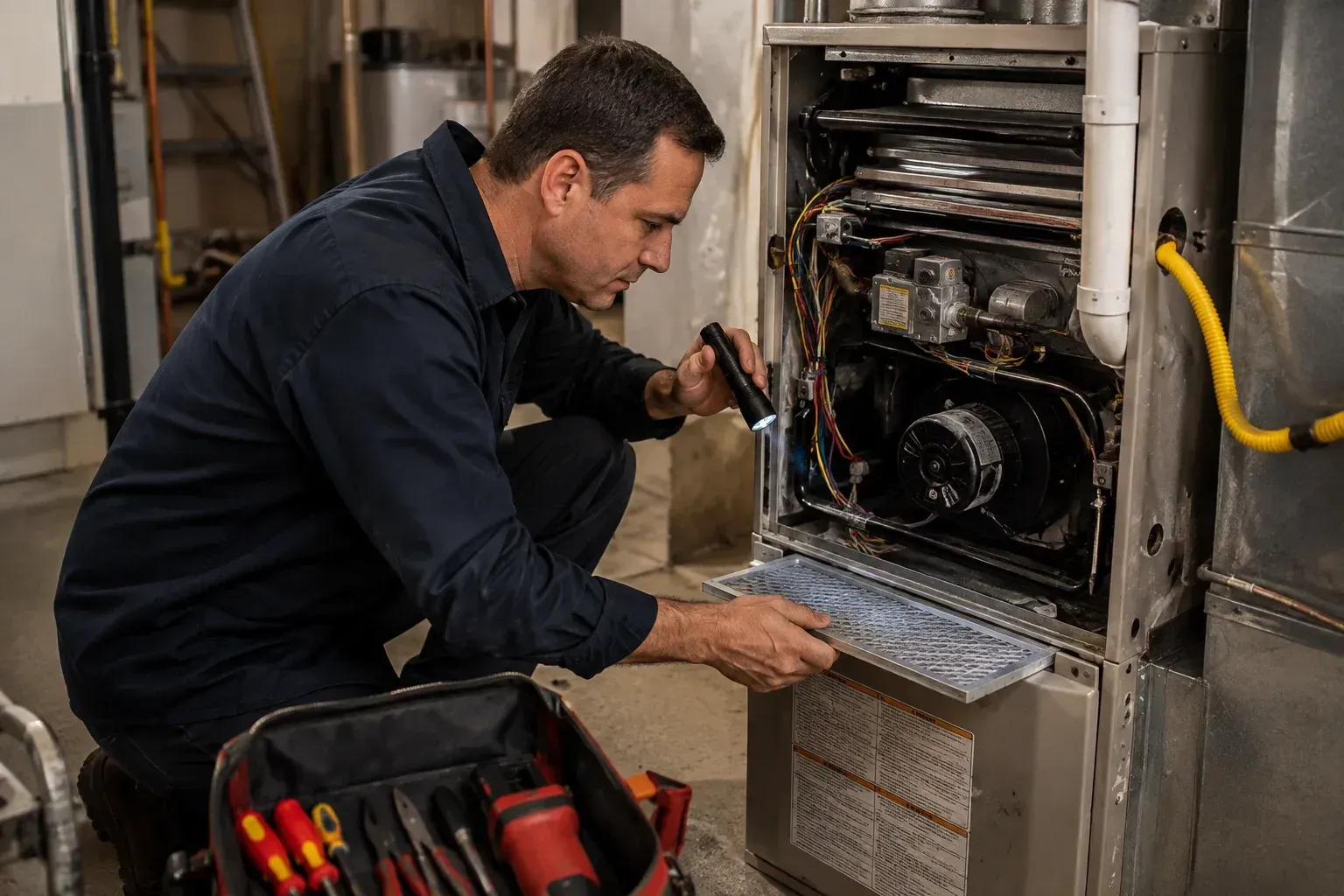
Table of Contents
- Introduction
- How Often Should Furnaces Be Serviced?
- Why Annual Maintenance Matters
- What's Included in a Furnace Tune-Up
- When to Schedule Maintenance
- Signs Your Furnace Needs Attention Sooner
- What You Can Do Between Professional Visits
- Conclusion
- Getting Started With Furnace Maintenance
- Frequently Asked Questions
Key Takeaways
- Most furnaces should be professionally serviced once a year, ideally in the fall before heating season
- Routine maintenance helps maintain efficiency, safety, and reliable performance over time
- A typical tune-up includes inspecting, cleaning, and testing key components
- Skipping maintenance can lead to reduced efficiency and a higher chance of breakdowns
- Older systems or heavy-use homes may benefit from more frequent checks
Introduction
Most homeowners should schedule furnace maintenance once a year, ideally in the fall before heating season begins. Annual service is the general standard because it helps keep your system running efficiently, safely, and reliably through the colder months, and scheduling professional furnace maintenance at the right time can help you avoid problems when you need heat the most.
If you own a home in Durham, this matters more than you might think. Our winters aren't extreme, but furnaces here still work hard during cold snaps, and a system that hasn't been checked in years is more likely to run inefficiently or fail at a bad time. This guide explains how often to service your furnace, what a tune-up involves, and how routine care supports the life of your heating system.
How Often Should Furnaces Be Serviced?
For most homes, once a year is the right schedule for furnace maintenance. This annual visit gives a professional the chance to catch small issues before they turn into bigger, more expensive problems.
Some situations call for more frequent attention. If your furnace is older, runs constantly, or serves a larger home, you may want it checked twice a year. Homes with pets, heavy dust, or poor air quality can also benefit from extra visits.
If you have a combined heating and cooling system, some homeowners schedule two visits a year — one for the furnace in fall and one for the air conditioner in spring. This keeps both parts of your HVAC system in good shape year-round.
Why Annual Maintenance Matters
Regular maintenance isn't just a formality. It plays a real role in how your furnace performs and how long it lasts.
Efficiency
A furnace that's clean and properly adjusted uses fuel more effectively. Dust buildup, dirty filters, and worn parts force the system to work harder, which can raise your energy bills over time.
Safety
Furnaces burn fuel to create heat, which means safety checks matter. A technician inspects for issues like cracked heat exchangers or venting problems that could lead to carbon monoxide concerns. These are things you can't easily spot on your own.
Reliability
Routine service reduces the chance of an unexpected breakdown. It's far better to find a worn part during a scheduled visit than to lose heat on the coldest night of the year.
System Life
Like any machine, a furnace lasts longer when it's cared for. Consistent maintenance helps you get more years out of your investment before you face a replacement.
What's Included in a Furnace Tune-Up
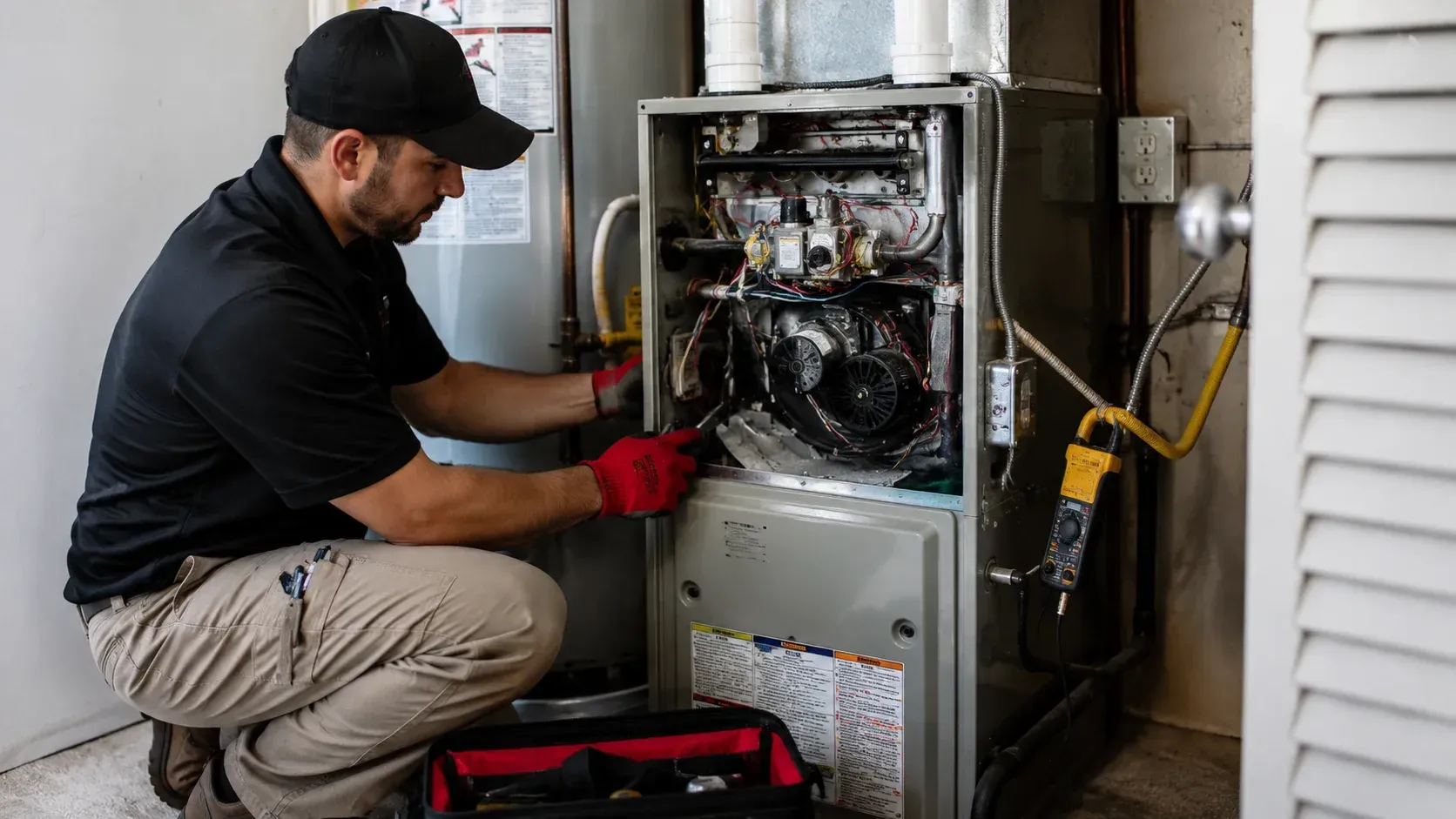
A professional furnace tune-up covers more than a quick look. While the exact steps vary by contractor and system, most visits include the following.
- Inspecting the heat exchanger for cracks or damage
- Checking and replacing the air filter if needed
- Cleaning the burners and blower components
- Testing the thermostat for accurate operation
- Inspecting electrical connections and tightening as needed
- Checking the flame sensor and ignition system
- Examining venting and airflow
- Testing overall system startup and shutdown
The goal is to confirm that every part works together properly. If the technician finds something worn or failing, they can let you know so you can decide how to handle it.
When to Schedule Maintenance
Timing your furnace service well makes a difference. The best window is early fall, before you start relying on your heat regularly.
Scheduling in fall means any issues get caught before the busy season. It also means you're not competing for appointments during a cold snap, when contractors are booked and response times slow down.
If you missed the fall window, it's still worth scheduling maintenance whenever you can. A mid-winter tune-up is better than skipping the year entirely. The key is consistency — keeping a regular schedule matters more than the exact date.
Signs Your Furnace Needs Attention Sooner
Sometimes your furnace tells you it needs a look before your next scheduled visit. Pay attention to these signs.
- Unusual noises like banging, rattling, or squealing
- Weak airflow or uneven heating between rooms
- A yellow burner flame instead of blue
- Frequent cycling on and off
- A noticeable rise in your energy bills
- Strange smells when the system runs
If you notice any of these, it's worth calling a professional. Catching a problem early often means a simpler, less costly fix. If your system does need repair work, understanding your furnace repair options helps you make an informed decision.
What You Can Do Between Professional Visits
Professional maintenance is important, but there are simple things you can do on your own to keep your furnace running well between visits.
The most helpful habit is changing your air filter regularly. A dirty filter restricts airflow and makes your furnace work harder. Most filters should be checked monthly and replaced every one to three months, depending on your home.
You can also keep the area around your furnace clear, make sure vents aren't blocked by furniture, and pay attention to how your system sounds and smells. These small steps support the work a professional does and help you spot issues early.
Conclusion
For most homes in Durham, scheduling furnace maintenance once a year — ideally in the fall — is the right approach. Older systems, larger homes, or heavy-use situations may call for more frequent checks.
Routine maintenance supports efficiency, safety, and reliability while helping your system last longer. It also reduces the chance of an unexpected breakdown during the heating season, when you rely on your furnace the most.
The main takeaway is simple: consistency matters. Keeping a regular maintenance schedule and paying attention to warning signs puts you in a strong position to make informed decisions about your heating system and avoid preventable problems.
Getting Started With Furnace Maintenance
If you're not sure when your furnace was last serviced or what your system needs, a good first step is talking with a qualified local professional. They can assess your furnace, explain what maintenance makes sense for your situation, and answer your questions without pressure.
If you'd like guidance on setting up a maintenance routine that fits your home, you can reach out to a professional who understands Durham's heating needs and can help you plan ahead with clear, honest information.
Frequently Asked Questions
Most furnaces should be professionally serviced once a year, ideally in the fall before heating season. Older systems, larger homes, or furnaces that run heavily may benefit from twice-yearly checks.
Early fall is the best time, before you start using your heat regularly. This lets a technician catch issues before the busy season and helps you avoid delays during cold snaps when contractors are booked.
A typical tune-up includes inspecting the heat exchanger, cleaning burners and blower parts, checking the filter, testing the thermostat, inspecting electrical connections, and testing overall system operation. The exact steps can vary by contractor.
You can handle basic tasks like changing the air filter, keeping vents clear, and watching for warning signs. However, safety checks, cleaning internal components, and inspecting the heat exchanger should be done by a licensed professional.
Skipping maintenance can lead to reduced efficiency, higher energy bills, and a greater chance of breakdowns. Some safety issues may also go unnoticed. Regular service helps you avoid these problems.
A standard furnace tune-up usually takes about one to two hours, depending on the system's condition and whether the technician finds any issues that need attention.
Regular maintenance supports the overall condition of your furnace and can help it operate efficiently over its lifespan. While no service guarantees a specific outcome, consistent care generally supports longer, more reliable performance.